
Regenerative Agriculture (RA)
A transformative mindset
What is Regenerative Agriculture?
Addressing a Global Challenge
Soils around the world are under strain. A significant issue is accelerated erosion and the rapid loss of topsoil, the vital layer that nurtures our crops, threaten not only environmental balance but also the very foundation of food production (source). This decline poses serious risks for sustainable agriculture.
Implications for Food Companies
In today’s dynamic climate, food businesses face mounting difficulties in securing high quality agricultural raw materials. Extreme weather, whether prolonged droughts or sudden, heavy rains, exacerbates the fragility of depleted soils, undermining their ability to absorb and retain water, and diminishing overall resilience to the changing environmental conditions.
Key Causes of Soil Degradation:
Compaction: Intensive use of heavy machinery compresses the soil, reducing its capacity for water infiltration, proper gas exchange, and robust root development.
Disrupted Soil Biology: Practices such as excessive tillage and the overreliance on synthetic inputs have diminished the natural abundance and diversity of soil organisms. A thriving ecosystem beneath the surface is essential for building organic matter and supplying vital nutrients to plants.
The Core Principles of Regenerative Agriculture
Regenerative agriculture is a holistic approach designed to restore and revitalize soil health through adaptive practices that respond to each farm’s unique conditions. Its guiding principles include:
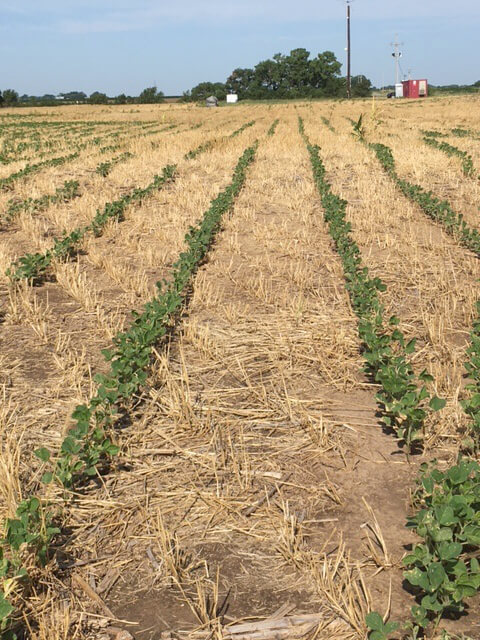
1. Minimizing Tillage
Reducing soil disturbance helps preserve its natural structure and fertility.
2. Maintaining Continuous Cover
Keeping the soil protected year-round minimizes moisture loss and guards against erosion.
3. Sustaining Living Roots
Ensuring that roots remain active throughout the year supports microbial life and nutrient cycling.
4. Enhancing Biodiversity
Incorporating diverse plant species creates a resilient and balanced ecosystem.
5. Integrating Livestock
Thoughtful grazing strategies can stimulate soil regeneration and promote nutrient recycling.
These principles are adaptable, they require ongoing experimentation, learning, and customization to the specific context of each farm.
A transformative mindset
Beyond a set of techniques, regenerative agriculture embodies a fundamental shift in perspective.
“Many times, the heaviest compaction is in the mind of the farmer” ~ Gabe Brown ~
It calls on farmers to harmonize short-term financial needs with long-term environmental stewardship. Increasing evidence (for example) shows that such an integrated approach not only revives soil vitality but also enhances profitability, proving that sustainable practices and economic success can go hand in hand.
Advantages of Regenerative Agriculture
For food compagnies
Adopting regenerative agriculture offers transformative benefits for businesses in the food sector by:
• Securing a Reliable Supply
Healthier soils and sustainable practices foster a robust network of suppliers, ensuring a steady flow of premium raw materials.
• Enhancing Resilience
Revitalized soils are better equipped to cope with extreme weather, reducing vulnerabilities in your supply chain.
• Meeting Evolving Demands
As consumer preferences shift toward sustainable products and regulatory frameworks tighten, your commitment to eco-friendly practices positions your brand as a leader in innovation and responsibility.
• Creating Long-Term Value
Investing in regenerative methods not only protects natural resources but also builds enduring competitive advantage.
For agriculture producers
For those on the production side, regenerative agriculture translates into tangible economic and environmental rewards:
• Boosting Profitability
Lower reliance on external inputs and reduced operational costs contribute to improved financial performance.
• Enhancing Farm Ecosystems
Practices that enrich soil health also deliver valuable ecosystem services—such as water retention, natural filtration, increased biodiversity, and carbon sequestration—which can enhance crop yields and potentially unlock new revenue streams.
• Sustaining Future Growth
By aligning farming practices with nature’s rhythms, producers lay the groundwork for a resilient, profitable operation that thrives over the long term.
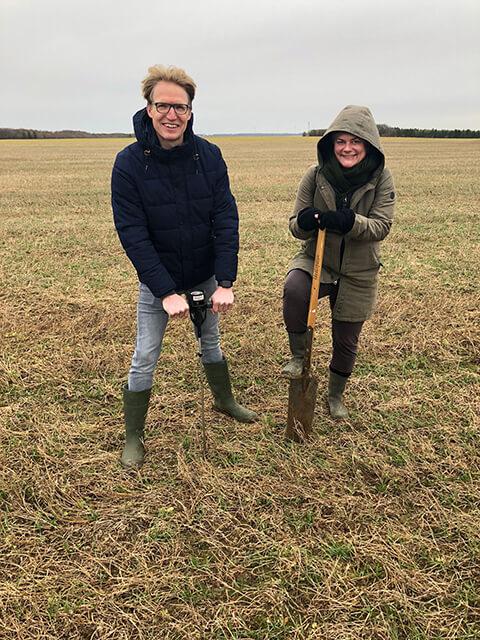
Assessing the soil in a field, North of France
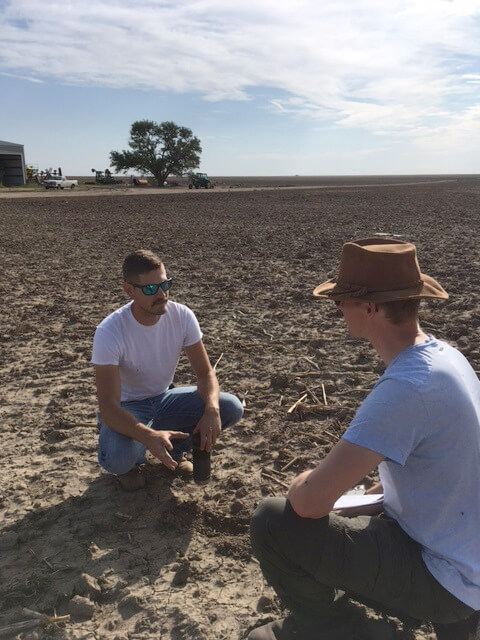
In dialogue with another farmer, Kansas USA

Working with the land, farming with feeling
Pieter Jan Georgius
Portugal